Trustflight MEL Manager

Senior Product designer

Use design to redefine aviation technology by developing intelligent digital tools that optimise operational efficiency.

/Quick intro

Aviation is a sector where precision, compliance, and efficiency are non-negotiable—yet many critical processes still rely on outdated, paper-based workflows. TrustFlight is redefining aviation technology by developing intelligent digital tools that optimise operational efficiency while ensuring compliance. As a Product Designer, I played a key role in transforming complex, manual aviation workflows into user-centred digital solutions. My contributions spanned UX research, interaction design, and systematisation of UI components, ensuring both scalability and usability. One of my primary projects was MEL Manager, a tool designed to enhance the accuracy, accessibility, and efficiency of Minimum Equipment Lists (MELs)—a fundamental component of aviation compliance.

/About the project

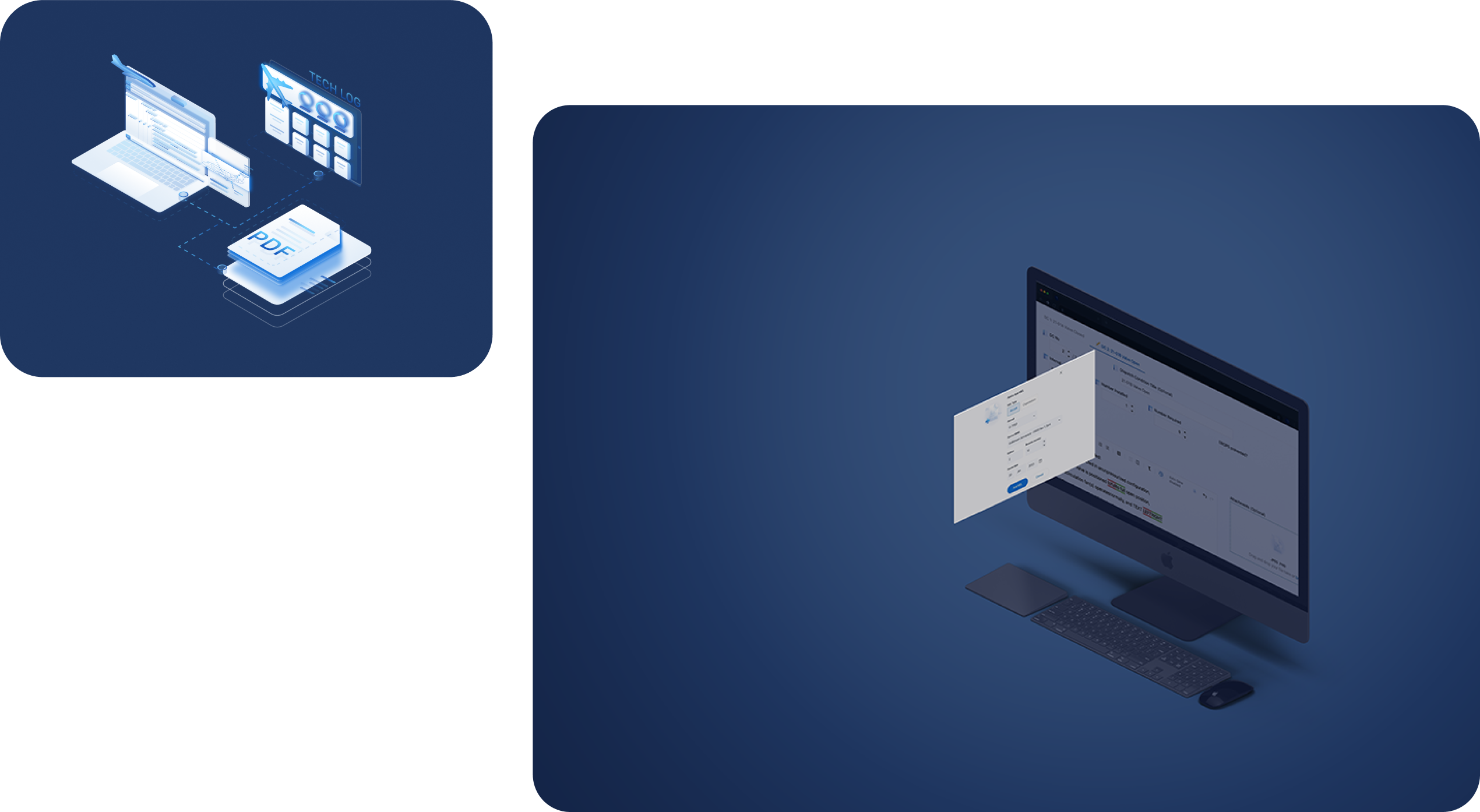
TrustFlight intro points illustration

What is MEL Manager?

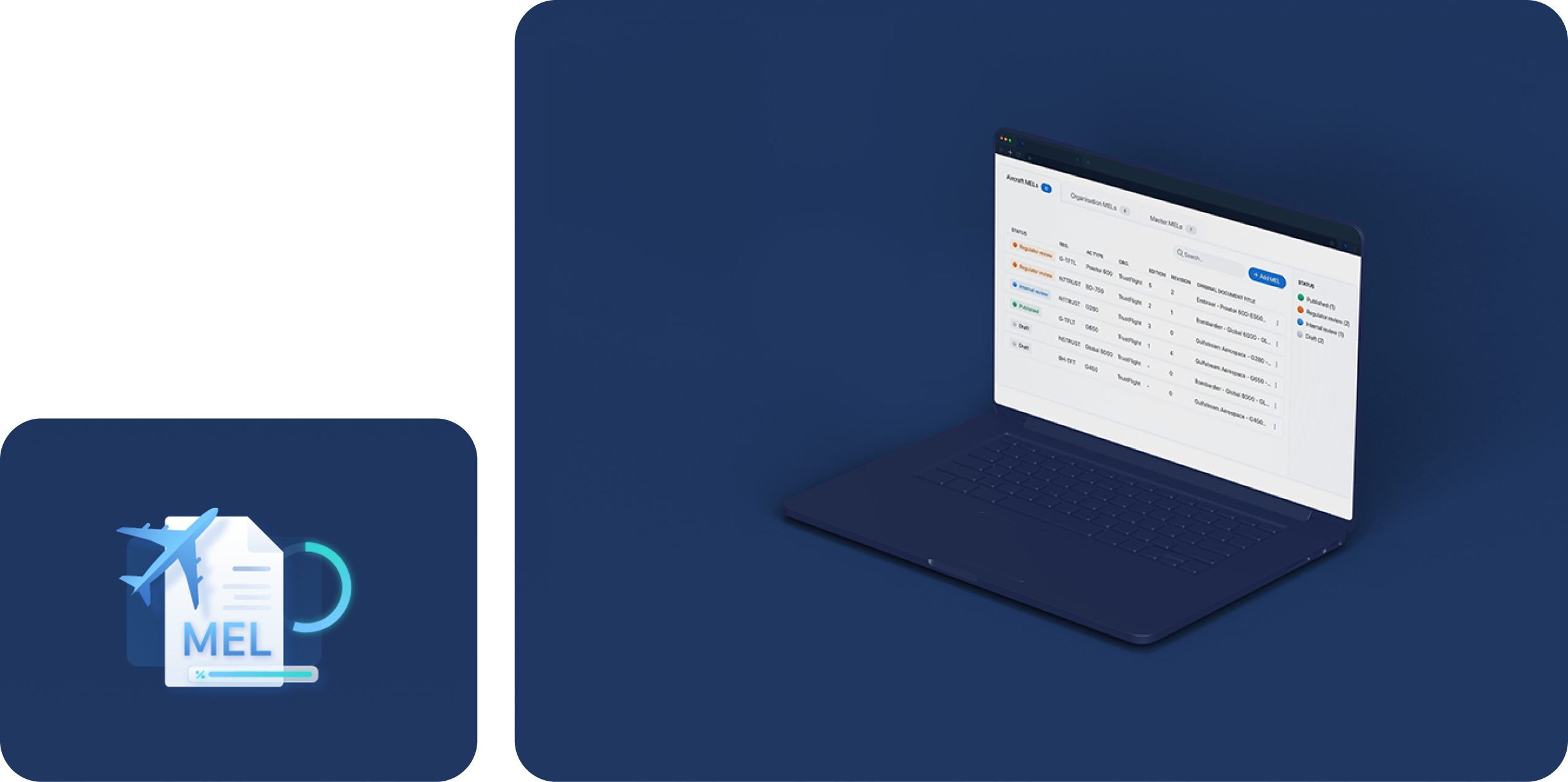
MEL Manager stands for Minimun Equipment List. It is a list that allows for the operation of an aircraft, under specified conditions, with certain equipment inoperative.

Understanding

The primary users—pilots, engineers, and aviation operators—were accustomed to paper-based workflows. The challenge was to design a system that felt familiar yet leveraged the benefits of digital tools, ensuring smooth adoption.

Key design challenges

Handling thousands of pages of regulatory data, supporting live updates and edits, and providing an intuitive interface for both document input and review—all while ensuring compliance with aviation standards.

Mock up of a Trustflight product showcasing the product
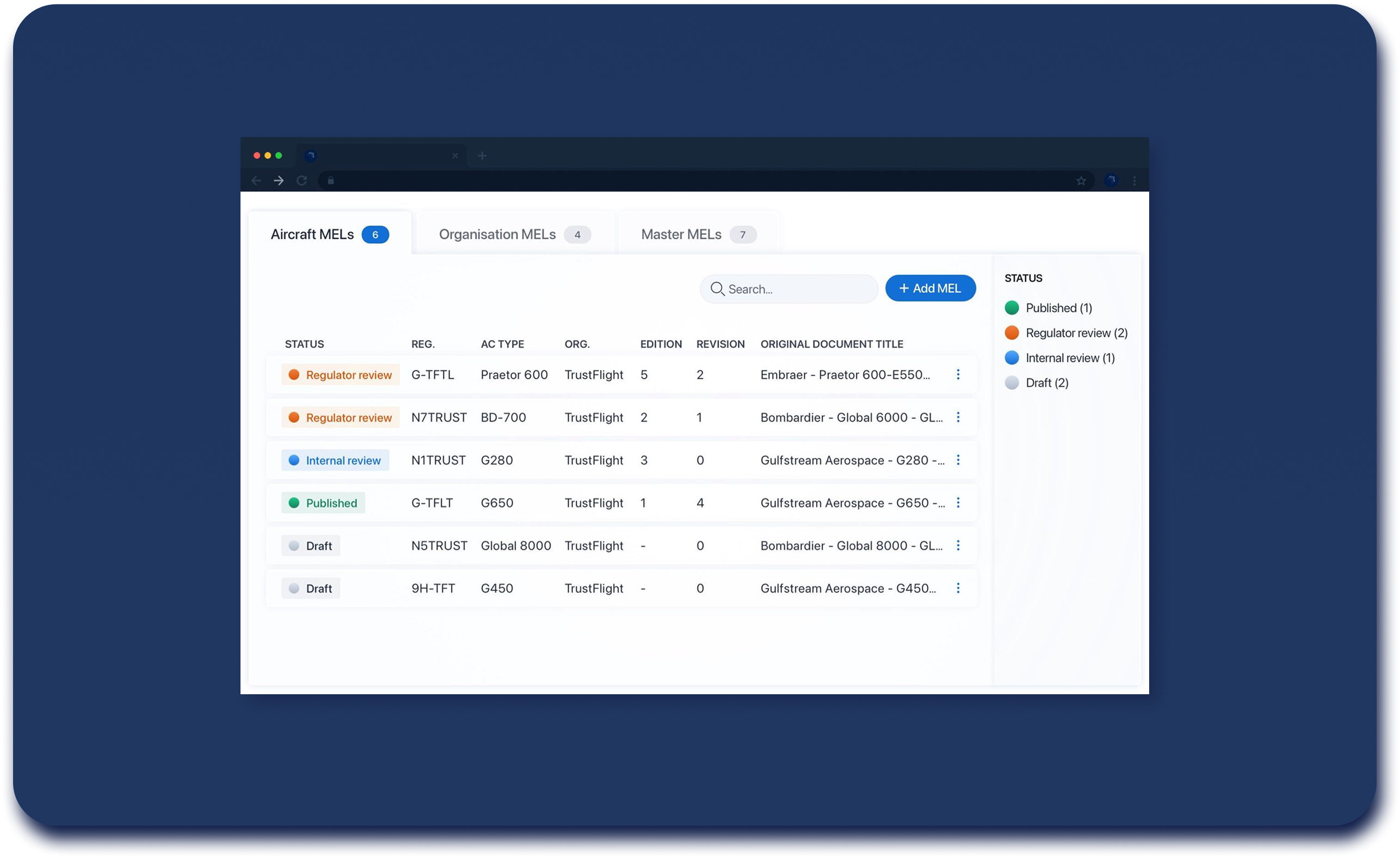
Dashboard of the Trustflight MEL Manager
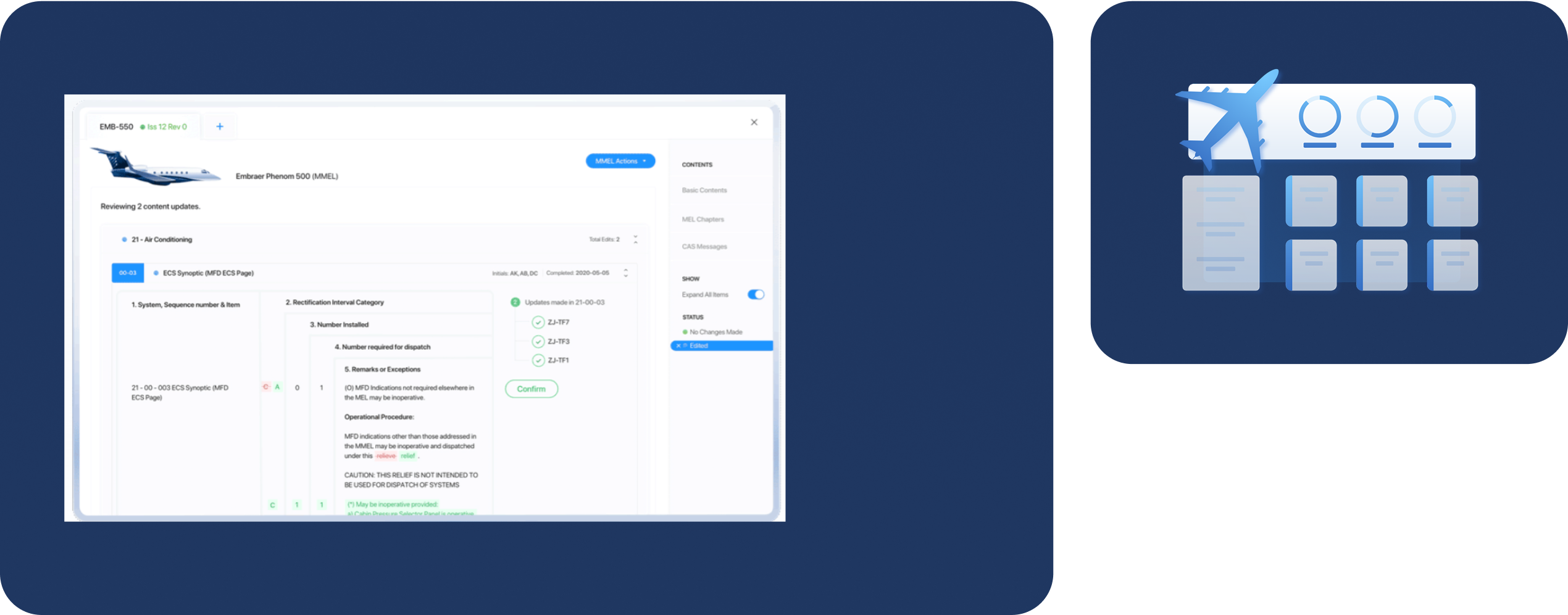
Editing view of the Trustflight MEL Manager

/Creating solutions

A brief overview of the project, its goals, and the problem it aims

The power of visual cues

Engineers and pilots rely on spatial memory when reviewing documents. To bridge the gap between paper and digital, I introduced a unique icon system—a digital marker that indicates where information would be located on a printed version, mirroring traditional navigation patterns.

Automating workflows

The MEL Manager introduced template-based document entry, text recognition, version control and automated side-by-side comparisons, reducing manual entry errors and improving efficiency for aviation operators.

Integration with other products

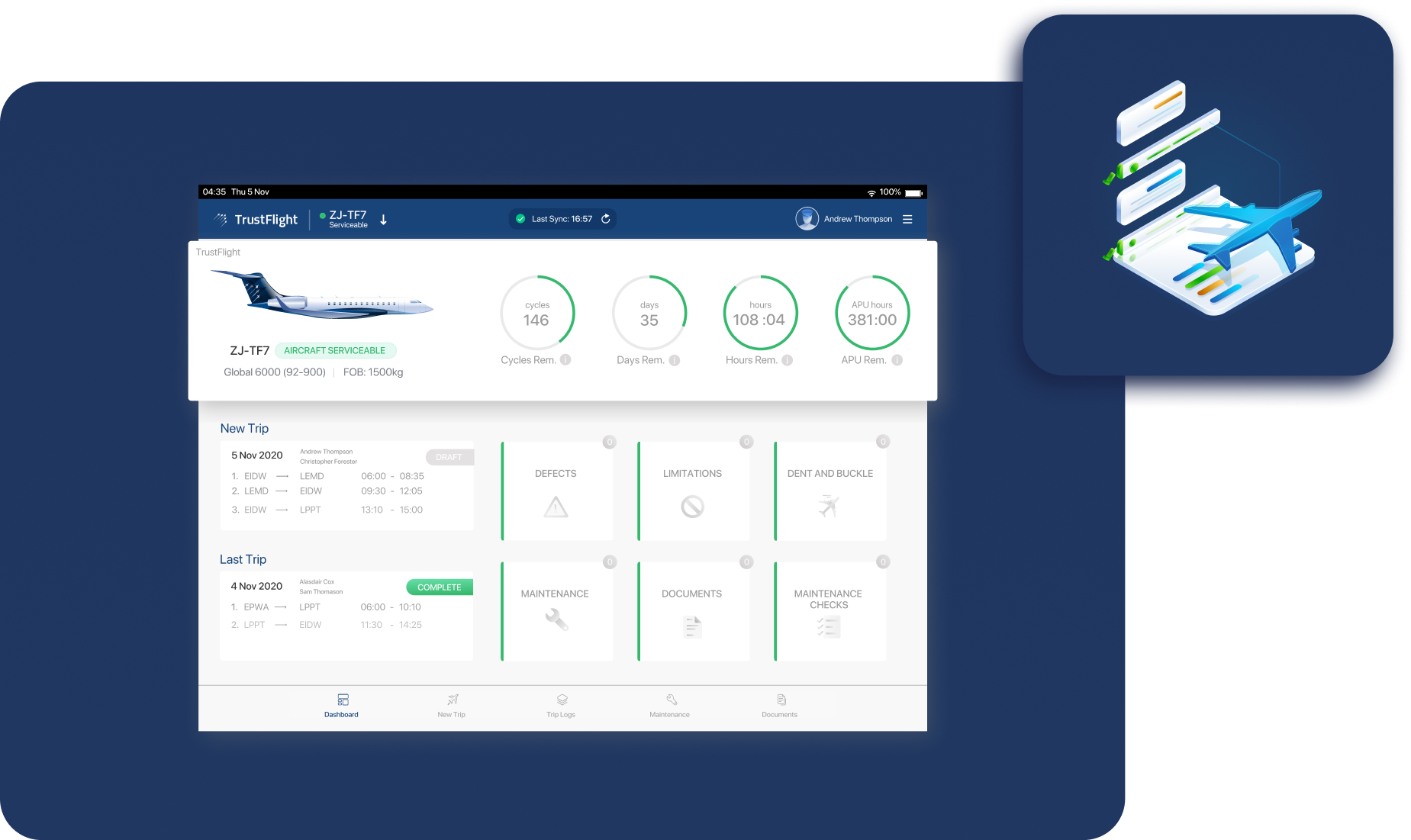
MEL Manager was designed to connect with TrustFlight’s broader ecosystem, ensuring compatibility with TechLog and other aviation compliance tools, providing a unified experience across platforms.

Mock up of a Trustflight product showcasing the product
Mock up of a tablet floating showing the Trustflight product
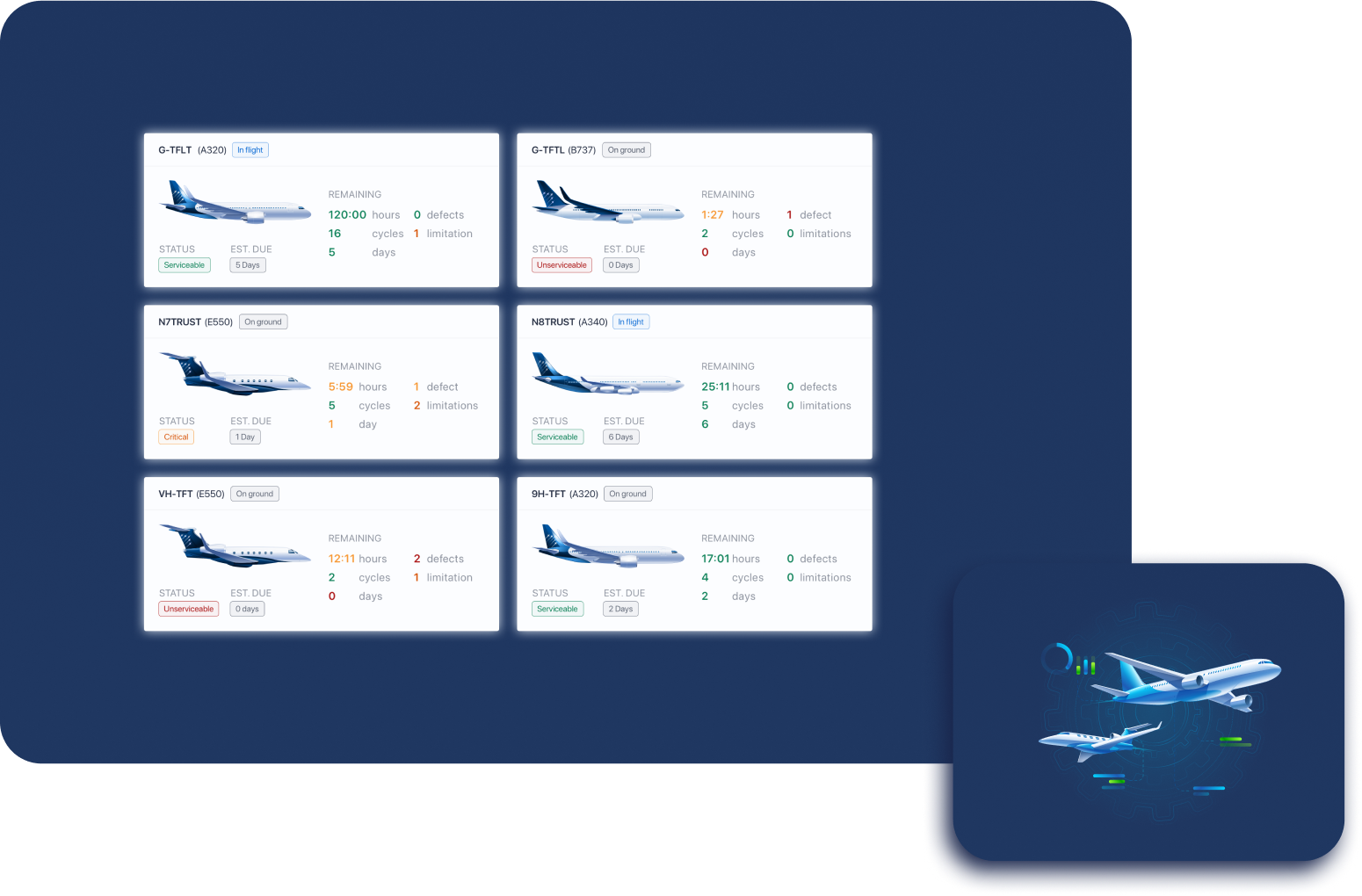
Mock up showing the different cards of the different planes of the Trustflight MEL Manager

/The system in action

Useful guidelines

No one wants to trawl through a rulebook. We make sure guidelines are packed with real product examples, making them useful rather than just theoretical.

Data-driven improvements

Thanks to Figma metrics, we get a clear picture of which components are pulling their weight and which need a rethink. A proper game-changer.

Keeping the system alive

Keeping the system alive takes work. Regular feedback loops, collaborative sessions, and a flexible approach ensure it evolves rather than gathers dust.

Mock up of a Trustflight product showcasing the product in a large desktop Mackbook

/My take

Designing for aviation means precision, structure, and a lot of regulations. But that doesn’t mean digital tools have to be complicated. Good UX can simplify even the most technical processes, as long as you take the time to understand your users and their workflows. The biggest takeaway? People don’t resist change—they resist bad change. By designing with familiarity in mind, we made a complex transition feel natural, proving that even in aviation, good design can take things to new heights.

Trustflight conclusion illustration